Silverstone: A Friendly Handwritten Font That Brings Warmth and Personality to Your Designs
When you're crafting a website, designing marketing materials, or building a brand identity, the right font does more than convey words—it conveys tone, trust, and humanity. Silverstone stands out as a refreshingly approachable handwritten font that balances playfulness with professionalism. It’s not just decorative; it’s purpose-built for creators who want their content to feel personal, inviting, and authentically human—without sacrificing clarity or usability.
Many adults—especially small business owners, educators, content creators, and nonprofit communicators—face a quiet but persistent challenge: how to stand out in a digital landscape saturated with sterile, overused sans-serifs and generic scripts. They need fonts that reflect warmth and sincerity, yet remain legible across devices, accessible to diverse audiences, and versatile enough for real-world use. That’s where Silverstone steps in—not as a novelty, but as a thoughtful design solution.
What Makes Silverstone More Than Just “Cute”?
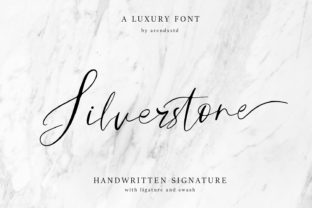
Silverstone is a carefully crafted handwritten typeface with subtle irregularities, natural stroke variation, and gentle rhythm—mimicking the organic flow of ink on paper. Unlike many script fonts that prioritize flourish over function, Silverstone was designed with readability and practicality in mind. Its lowercase letters have open counters, generous x-height, and consistent spacing—making it highly legible even at smaller sizes or on mobile screens.
Importantly, Silverstone isn’t trying to imitate calligraphy or formal penmanship. Instead, it captures the friendly, confident energy of someone jotting down an idea in a well-loved notebook—casual but intentional, relaxed but reliable. That distinctive character makes it especially effective when you’re aiming to communicate empathy, creativity, or approachability—whether you’re launching a wellness coaching site, designing workshop handouts, or branding a local café.
Where Silverstone Fits Into Real-World Needs
Consider these common scenarios—and how Silverstone helps solve them:
- Small business owners often struggle to differentiate themselves from larger competitors. Using Silverstone for headlines, logo accents, or email subject lines adds memorable personality without seeming unprofessional—helping customers feel like they’re connecting with a person, not a corporation.
- Educators and course creators know that engagement starts with tone. Silverstone works beautifully in slide decks, printable worksheets, and learning platform banners—softening academic content while reinforcing a supportive, encouraging voice.
- Nonprofit and community organizers rely on emotional resonance. A newsletter headline set in Silverstone feels more like an invitation than an announcement—encouraging opens, clicks, and participation.
- Bloggers and solopreneurs seeking authenticity often default to overly casual fonts that undermine credibility—or overly formal ones that feel distant. Silverstone strikes the balance: warm enough to build rapport, structured enough to earn trust.
Practical Applications You Can Implement Today
You don’t need advanced design skills to use Silverstone effectively. Here are proven, low-effort ways to integrate it meaningfully:
- Pair it wisely. Use Silverstone for headlines, quotes, or call-to-action buttons—and pair it with a clean, neutral sans-serif (like Inter, Lato, or Open Sans) for body text. This contrast creates visual hierarchy while keeping reading comfortable and accessible.
- Leverage its friendliness intentionally. Try Silverstone for welcome messages, email sign-offs, or “thank you” pages. These micro-moments benefit most from human warmth—and Silverstone delivers it without sounding saccharine.
- Optimize for accessibility. While Silverstone is highly legible, avoid using it for long paragraphs or small UI labels. Reserve it for display purposes where its expressive qualities shine—and always ensure sufficient color contrast (at least 4.5:1 against the background).
- Test responsiveness. Preview your designs on mobile. Silverstone holds up well at 24–36px on headings, but avoid scaling it below 18px for screen use. When in doubt, let the font breathe: generous line height and letter spacing enhance its natural flow.
How Different Users Might Approach Silverstone
Your goals shape how you’ll use Silverstone—and that’s by design. A freelance graphic designer might use it as a signature element across client brand systems, while a therapist building a private practice website may apply it only to empathetic phrases (“You belong here,” “Let’s begin together”). A food blogger could feature Silverstone in recipe titles and Instagram story highlights—but keep ingredient lists in a functional, highly readable font.
The key is intentionality. Silverstone isn’t meant to be everywhere—it’s meant to be *where it matters most*. Think of it like a well-chosen accent color: subtle, strategic, and emotionally resonant. Users who treat it as a tool—not a trend—report stronger audience connection, higher engagement rates, and more cohesive visual storytelling.
Things to Keep in Mind Before You Start
While Silverstone offers unique advantages, thoughtful implementation ensures it supports—not distracts from—your goals:
- Licensing matters. Always verify usage rights for your context—especially if embedding in web projects, apps, or merchandise. Many reputable foundries offer clear desktop, web, and app licenses.
- Performance counts. If using Silverstone on a website, serve it via modern font formats (WOFF2) and consider font-display strategies (e.g.,
font-display: swap) to avoid invisible text during load. - Consistency builds recognition. Using Silverstone in one place and switching to three unrelated fonts elsewhere dilutes its impact. Anchor it to 1–2 key uses per project—for example, all primary headlines and quote blocks—and stick with that system.
- It’s not for every brand. Highly technical, financial, or legal brands may find Silverstone too informal for core messaging. But even there, it can work tastefully in secondary contexts—like internal team newsletters or community outreach visuals.
In the end, Silverstone succeeds because it meets people where they are: seeking connection in a fast-moving, often impersonal digital world. It doesn’t ask you to compromise clarity for charm—or professionalism for personality. Instead, it invites you to express yourself with honesty, warmth, and quiet confidence. Whether you’re refreshing a landing page, designing a workshop workbook, or simply choosing a font that feels like “you,” Silverstone offers a grounded, joyful, and deeply human way forward.
So go ahead—try it in your next headline. See how it changes the feeling of the space. Notice how readers pause, smile, or lean in just a little more. That’s not coincidence. That’s what happens when design serves people first.