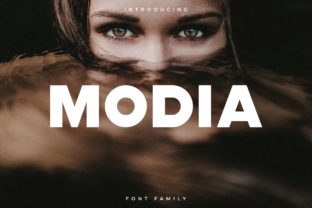
Modia: Bold, Chunky & Full of Personality
Modia isn’t just another sans serif font—it’s a statement. With its bold weight, generous proportions, and confident rhythm, Modia brings energy and clarity to any design without shouting. It’s the kind of typeface that feels at home on a streetwear label, a workshop poster, or the headline of a passionate blog post. If you’ve ever scrolled past text and felt *drawn in* by how solid and alive it looked—that’s the Modia effect.
What Makes Modia Stand Out?
At its core, Modia is a geometric sans serif—but with personality. Its letters are intentionally chunky: wide apertures, sturdy stems, and rounded yet purposeful corners. Unlike ultra-thin or overly neutral fonts, Modia balances friendliness with authority. It doesn’t fade into the background; it holds space. That makes it especially effective where attention matters—like banners, app buttons, presentation slides, or product packaging.
The “cool vibe” isn’t just marketing speak. It comes from thoughtful details: slightly uneven stroke contrast, subtle tension in curves, and spacing that breathes without feeling loose. These aren’t flashy tricks—they’re quiet choices that make Modia feel human-made, not algorithmically smoothed.
Where Does Modia Shine in Real Life?
You don’t need to be a designer to benefit from Modia. Think about the things you create or interact with daily:
- A small business owner launching a new line of handmade ceramics might use Modia for their logo and Instagram story headers—giving their brand instant warmth and approachability while still looking professional.
- An educator preparing a classroom handout on climate action could set key takeaways in Modia to help students quickly spot and remember core ideas.
- A freelance writer building a personal portfolio site might choose Modia for section titles—creating visual rhythm between calm body text and punchy headings.
- A hobbyist designing a vinyl sticker for their band’s next gig gets instant attitude just by typing the name in Modia.
It works well in both digital and print. On screens, its generous x-height and open counters keep it legible even at smaller sizes—great for mobile interfaces or email subject lines. In print, its weight holds up beautifully on textured paper or screen-printed fabric.
Why People Choose Modia (and When They Might Not)
Most people reach for Modia when they want something that feels intentional—not trendy, not generic, but *right*. It supports goals like standing out in a crowded feed, reinforcing brand confidence, or making information feel more accessible and grounded.
That said, Modia isn’t meant for everything. Because it’s bold and visually present, it’s rarely ideal as body text for long articles or dense reports. You wouldn’t use it for a 30-page academic thesis—but you *would* use it for the cover title, chapter headers, or pull quotes.
Also, consider context. A law firm’s official letterhead may call for something more reserved, while a creative studio’s project pitch deck thrives with Modia’s energy. It’s less about “good or bad” and more about fit—like choosing the right jacket for the occasion.
Getting Started Is Simpler Than You Think
You don’t need design experience to try Modia. Most platforms support it through standard web font services or desktop apps. In Canva, Figma, or Google Docs, search for “Modia” and apply it to a heading—then step back. Notice how the layout feels more anchored? How the message gains presence?
Pairing it is intuitive too. For contrast and readability, combine Modia with a clean, low-contrast sans like Inter, Lato, or Open Sans for body copy. Or go monochrome: use different weights of Modia itself (if available) for hierarchy—bold for titles, medium for subheads, regular for short captions.
One practical tip: start small. Try Modia on one element first—a button label, a social media graphic, your email signature. See how it changes the tone. That’s how you build confidence—and discover what works for *your* voice.
Things to Keep in Mind Before You Commit
Before licensing or embedding Modia in a major project, check a few practical details:
- Licensing scope: Is it free for personal use only—or does your commercial project require a license? Some versions allow web use with a one-time fee; others need annual subscriptions.
- Language support: Modia covers Latin-based languages well, including accented characters used in French, Spanish, and German. If you work with extended Cyrillic, Greek, or Asian scripts, verify coverage before finalizing.
- File formats: Make sure the version you download includes the weights you need (e.g., Bold, Medium, or Variable). Not all packages include italics or condensed variants.
- Performance impact: On websites, loading multiple font weights can affect speed. Prioritize only the ones you’ll actually use—and consider system fallbacks for critical sections.
More Than Just a Font—A Design Ally
What makes Modia special isn’t just how it looks—it’s how it helps you communicate. In a world full of fleeting visuals and endless scrolling, a typeface like Modia gives your words weight and warmth. It says, “This matters,” without needing extra decoration or effects.
Whether you're naming a podcast, branding a weekend market stall, or drafting a heartfelt newsletter, Modia invites authenticity. It doesn’t ask you to be louder—it helps you be *clearer*, *kinder*, and more *memorably you*.
So go ahead: try it on something small today. Type your name. Your favorite quote. The title of your next idea. See how Modia shapes the feeling—not just the look—of what you share with the world.