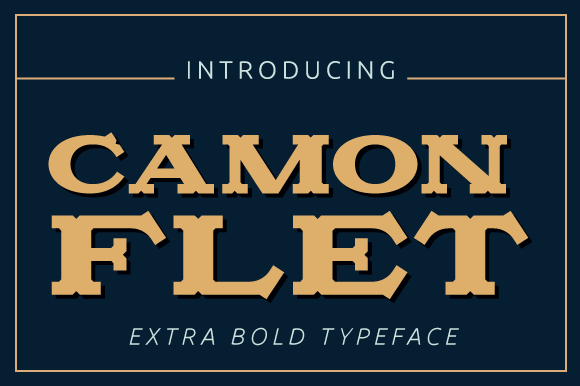
Comac: A Bold, Powerful Font That Elevates Design With Purpose
When your design needs to command attention—not just occupy space—Comac delivers with unmistakable presence. More than a typeface, Comac is a strategic tool for designers, marketers, brand strategists, and content creators who understand that typography shapes perception before a single word is read. Its strong geometric structure, high x-height, and confident stroke contrast make it exceptionally legible at scale while retaining expressive energy. Whether you're launching a startup identity, refreshing a corporate website, or crafting a campaign that must cut through digital noise, Comac helps turn intention into impact.
Why Designers Reach for Comac in Real-World Projects
Many professionals face recurring challenges: messaging gets lost in cluttered interfaces; brand voices feel generic or inconsistent; headlines fail to convert because they lack visual authority; or printed materials lack the gravitas needed for credibility. These aren’t abstract problems—they’re daily friction points affecting engagement, trust, and conversion.
Comac addresses these directly. Its bold, no-compromise stance works where subtlety falls short: on hero banners, app launch screens, signage, presentation decks, and packaging. Unlike fonts that prioritize delicacy or neutrality, Comac embraces strength without sacrificing clarity. That makes it especially valuable when you need to communicate confidence—think fintech dashboards, healthcare campaign posters, or premium product launches.
Practical Applications—and What Works Best
Not every use case calls for the same typographic strategy—and Comac shines brightest when applied intentionally. Here’s how different users leverage it effectively:
- Brand Identity Designers: Use Comac for primary logotypes or wordmarks where memorability and distinction matter most. Its clean, modern geometry pairs well with minimalist iconography and supports strong visual hierarchy across business cards, letterheads, and social avatars.
- Web & UI Designers: Deploy Comac for headings (H1–H3), call-to-action buttons, and section labels. Pair it with a highly legible sans-serif like Inter or Open Sans for body text—this contrast creates rhythm without competition.
- Marketing Teams: Apply Comac to campaign headlines, email subject lines (when embedded as web-safe fallbacks or SVG), and digital ad creatives. Its strong silhouette ensures readability even at small sizes on mobile feeds.
- Print & Packaging Professionals: Leverage Comac’s robust ink coverage and generous counters for labels, brochures, and retail displays—especially where lighting conditions vary or viewing distance is unpredictable.
One practical tip: avoid overusing Comac for long-form body copy. Its power lies in emphasis—not endurance. Reserve it for moments where you want the reader to pause, absorb, and remember.
What Makes Comac Stand Out—Beyond Aesthetics
At its core, Comac is built for performance. Its open apertures and consistent spacing improve scannability—a critical factor for users skimming content on fast-moving platforms. The font family typically includes multiple weights (Light to Black) and true italics, giving designers flexibility to establish clear visual hierarchies without switching type families.
Importantly, Comac renders reliably across devices and operating systems when properly licensed and implemented. For developers embedding it via @font-face or Google Fonts (if hosted there), consider loading only the weights you need—this reduces page weight and improves Core Web Vitals, supporting both UX and SEO goals.
User-Specific Considerations: Tailoring Comac to Your Needs
Your relationship with Comac will differ depending on your role—and that’s by design. A solo entrepreneur building a personal brand might use Comac sparingly but decisively: on their website header, portfolio project titles, and Instagram highlight covers. Every instance reinforces consistency and professionalism without requiring deep typographic expertise.
A design agency, meanwhile, may adopt Comac as part of a broader typographic system—assigning specific weights and sizes to defined components (e.g., “H2 = Comac SemiBold, 32px, line-height 1.2”). This kind of structured usage scales across client projects while maintaining brand integrity.
For accessibility-conscious teams, Comac supports WCAG-compliant contrast ratios when paired with appropriate background colors (e.g., dark text on light backgrounds at 4.5:1 or higher). Always test combinations using tools like WebAIM’s Contrast Checker—and remember that font size, weight, and spacing all contribute to perceivable contrast.
Getting Started With Comac—Simple, Strategic Steps
Adopting Comac doesn’t require a full redesign. Start small and intentional:
- Identify one high-impact touchpoint—your homepage headline, email newsletter banner, or product feature card—and replace the current type with Comac.
- Test readability and emotional response: Ask three colleagues or target users, “What feeling or message does this headline convey?” Compare notes. Does it align with your intent?
- Document usage guidelines early—even if informal. Note which weights you’ll use for headings vs. buttons, minimum sizes for legibility, and compatible pairing fonts.
- Optimize delivery: If self-hosting, subset the font to include only Latin characters and numerals unless your audience requires extended language support. This keeps load times low and performance high.
And remember: Comac isn’t about being louder—it’s about being clearer, bolder, and more purposeful. When your typography reflects the confidence of your message, users respond not just with attention, but with trust.
Final Thought: Typography as Quiet Leadership
In a world saturated with visual noise, the most powerful design choices are often the most deliberate. Comac doesn’t ask for permission to be seen—it earns attention through structure, balance, and unwavering clarity. It supports goals—not just aesthetics: stronger branding, improved comprehension, faster decision-making, and deeper user connection.
If your current type feels safe but forgettable, or functional but flat, consider how Comac could serve as a quiet catalyst for change. Not by shouting, but by standing tall—clear, capable, and unmistakably yours.