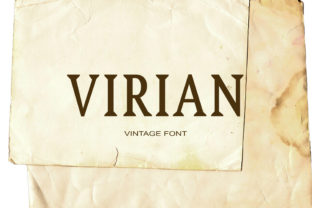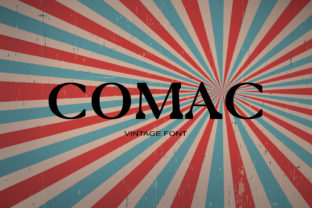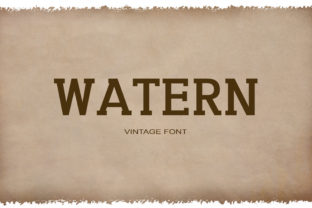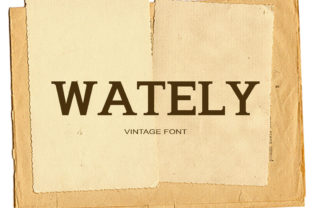
Wately: A Serif Font That Anchors Design with Quiet Confidence
Wately isn’t just another serif font—it’s a deliberate design decision that carries weight, warmth, and subtle authority. With its bold yet refined letterforms, generous x-height, and balanced contrast, Wately delivers clarity at scale while retaining personality in fine detail. It doesn’t shout; it settles in—like a well-chosen book jacket, a trusted notebook cover, or the typography on a product label you instinctively trust. For professionals who make decisions daily about tone, hierarchy, and perception, Wately functions as both tool and signal: one that supports intentionality without demanding attention.
Where Wately Fits in Your Workflow
Fonts aren’t isolated assets—they’re part of a chain: from concept to layout, from draft to delivery, from internal alignment to public-facing output. Wately enters that chain most effectively when clarity and credibility are non-negotiable. Think of it as your go-to for moments where visual consistency must reinforce message integrity—whether you’re drafting a client proposal, designing an email newsletter, finalizing a course syllabus, or preparing a pitch deck for investors.
It works especially well in contexts where readers scan first and read second: landing pages, dashboard headers, slide titles, printed handouts, or even packaging copy. Its strong vertical stress and open counters improve legibility on screens and in print alike, reducing cognitive load without sacrificing elegance. Unlike ultra-thin serifs that fade under low-resolution conditions—or overly decorative ones that distract from content—Wately maintains presence across devices and formats.
Before the Project: Setting Intent with Typography
Before opening Figma or writing the first line of copy, many creators use typography as a grounding ritual. Choosing Wately early signals a commitment to readability, professionalism, and quiet confidence—not flashiness or trend-chasing. When you select Wately during discovery or moodboarding, you’re not just picking a font—you’re aligning visual language with strategic goals. That alignment helps teams stay focused on outcomes rather than aesthetics alone.
For educators building online course materials, selecting Wately before designing slides or PDF workbooks ensures consistent visual hierarchy across modules. For small business owners crafting brand guidelines, pairing Wately with a clean sans-serif (like Inter or Manrope) creates a dependable typographic system: Wately for headings and key messages, the sans for body text and UI labels. This pairing is predictable, scalable, and easy to hand off to contractors or collaborators.
During Execution: Practical Integration Tips
Wately shines in real-time application—not just as a headline font, but as a structural element. Here’s how to embed it smoothly:
- Use optical sizing intentionally. Wately includes multiple optical sizes—Display for large-scale use (60px+), Text for body copy (14–24px), and Caption for fine print (10–12px). Switching between them improves rhythm and avoids unintended visual tension.
- Leverage its built-in spacing. Wately’s default letter-spacing and line-height values are tuned for balance—not tightness or airiness. Resist overriding them unless testing reveals a specific need. Start with the defaults, then adjust only after reviewing rendered output across devices.
- Pair deliberately—not randomly. Wately pairs best with neutral, highly legible sans-serifs that don’t compete for attention. Avoid fonts with strong personalities (e.g., geometric or handwritten styles) unless you’re aiming for intentional contrast in a limited context (e.g., a single callout or quote).
- Test contrast rigorously. Its bold weight can appear heavier on dark backgrounds. Always check WCAG AA compliance using tools like Stark or browser extensions—especially for interface elements or accessibility-critical content.
When used in collaborative environments—like shared Figma libraries or Notion templates—naming Wately layers clearly (“Wately-Display-Bold”, “Wately-Text-Regular”) prevents version confusion and speeds up handoff. Documenting usage rules (e.g., “Wately only for H1–H3 and pull quotes”) in team style guides reduces revision cycles later.
After Delivery: Consistency as Quality Control
Typography isn’t finished when the file exports. Wately’s value compounds over time through repetition and recognition. When your audience sees Wately across your website, reports, social graphics, and printed materials, they begin associating it with your voice—calm, capable, grounded. That association builds trust incrementally, especially in long-term relationships: clients renewing contracts, students returning for advanced courses, subscribers opening your emails week after week.
Maintaining consistency means auditing usage periodically—not just checking if Wately appears, but whether it’s applied with purpose. Ask: Does every heading serve a clear information architecture role? Is body text legible across all breakpoints? Are exported PDFs preserving hinting and kerning? Small oversights compound: inconsistent weights, missing optical sizing, or mismatched fallbacks erode the very reliability Wately was chosen to convey.
Compatibility and Real-World Constraints
Wately is available in variable and static formats, supporting modern web workflows via @font-face declarations and CDN delivery. It renders reliably across Chrome, Safari, Firefox, and Edge—and gracefully degrades to system serifs (e.g., Georgia, Times New Roman) where unsupported. For print projects, embedding Wately in PDFs ensures fidelity; for apps, licensing permits desktop, web, and mobile app use with appropriate tiering.
Its file size is modest (~120KB for the full variable font), making it practical for performance-conscious sites. Preloading critical Wately weights (e.g., Display-Bold for above-the-fold headings) further minimizes layout shift. No JavaScript dependencies or complex loaders are needed—just clean, semantic HTML and CSS.
Who Benefits Most—and How
Freelancers pitching to mid-market clients find Wately conveys competence without pretension—ideal for portfolios and case studies where substance matters more than spectacle. Bloggers and educators use it to distinguish headlines from body text while keeping reading fatigue low across long-form posts or lesson plans. Marketers deploying multi-channel campaigns rely on Wately’s cross-format stability: the same weight reads cleanly on Instagram carousels, email clients, and printed flyers.
Small business owners appreciate how little configuration Wately requires. Once set in their CMS or design system, it holds up across seasonal updates, new service launches, or team expansions—no retraining, no reinterpretation. For productivity-minded users managing personal knowledge bases or digital notebooks, Wately adds tactile distinction: a bold header instantly signals a new section; a lighter weight marks supporting notes—without needing color or icons.
A Note on Long-Term Use
Wately isn’t designed to be “trendy.” Its structure avoids passing fads—no exaggerated ink traps, no extreme contrast shifts, no forced irregularity. That makes it durable across years, not just seasons. As your work evolves—shifting from solo projects to team collaboration, from local services to national reach—Wately scales with you. It adapts to new platforms, supports growing content libraries, and remains legible as audiences age or access devices change.
Long-term adoption also means documenting decisions. Keep a brief internal note: why Wately was selected, which weights are approved, where fallbacks apply, and how it interacts with your primary sans-serif. That documentation becomes invaluable during onboarding, audits, or platform migrations—turning what could be a subjective choice into a repeatable, defensible part of your process.
Ultimately, Wately earns its place not by standing out, but by holding space—steadily, thoughtfully, and without strain. It supports the work instead of competing with it. And in a world saturated with visual noise, that kind of quiet strength is rare, practical, and deeply useful.