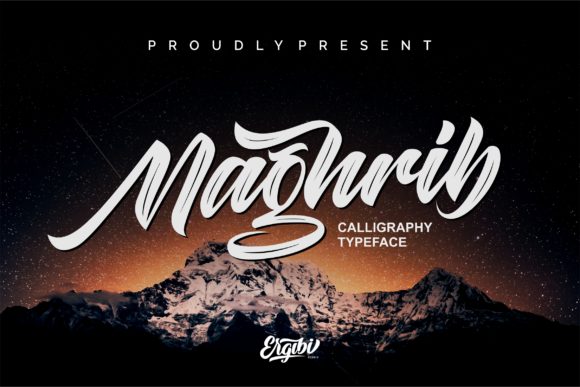
Maghrib: A Sweet & Casual Script Font
Maghrib isn’t just another script font—it’s the kind of typeface that feels like a friendly nod across a coffee shop table. Designed with relaxed confidence and subtle personality, Maghrib brings warmth and approachability to any project without sacrificing style or legibility. If you’ve ever wanted your headlines, invitations, social posts, or branding to feel effortlessly cool—not stiff, not overdesigned, just *right*—Maghrib fits naturally into that space.
What Makes Maghrib Stand Out?
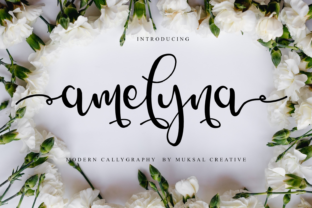
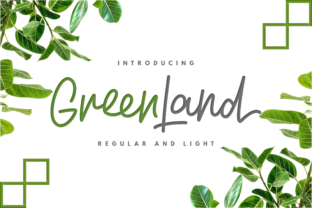
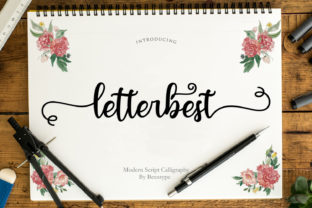
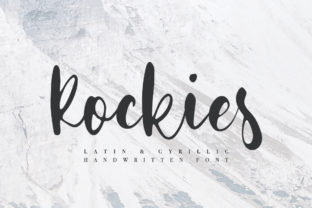
At its core, Maghrib is a casual script font with gentle curves, soft entry and exit strokes, and a rhythm that mimics natural handwriting—without looking overly cursive or hard to read. It’s not fussy. There are no dramatic flourishes or exaggerated swashes that distract from the message. Instead, it balances playfulness with polish: slightly bouncy, lightly connected letters, and consistent spacing that keeps things clean—even at smaller sizes.
Its “sweet” quality comes through in rounded terminals, open counters (the enclosed spaces inside letters like a, e, or o), and a gentle contrast between thick and thin strokes. That cool vibe? It’s in the subtle confidence of its flow—like someone who knows how to dress well without trying too hard.
Who Benefits Most From Using Maghrib?
Whether you're launching a handmade candle brand, designing a workshop flyer, updating your blog header, or crafting an Instagram story, Maghrib helps ideas land with authenticity. It works especially well for people who want their visuals to feel human-centered—not corporate, not cold, but inviting and intentional.
Beginners love Maghrib because it’s intuitive: no steep learning curve, no need to master complex OpenType features to get great results. Professionals appreciate how easily it pairs with clean sans-serifs (think Montserrat, Inter, or Poppins) for balanced layouts. Educators use it to add warmth to classroom posters. Freelancers choose it when clients ask for something “friendly but professional.” And small business owners find it perfect for packaging labels, email headers, or local event banners where tone matters as much as content.
Real-World Uses That Just Work
Here’s where Maghrib shines—naturally and without forcing it:
- Branding & Logos: A bakery, plant shop, or indie skincare line can use Maghrib for their logo or wordmark to signal care, craft, and personality—without leaning into clichéd “handwritten” tropes.
- Social Media Graphics: Overlay Maghrib on a soft photo background for quote cards, product launches, or seasonal announcements. Its light contrast and airy spacing keep text readable even over textured images.
- Printed Materials: Wedding invites, workshop handouts, or café menus gain charm and cohesion when Maghrib handles headings or short phrases—especially alongside a neutral body font.
- Digital Interfaces: While best suited for display use (not long paragraphs), Maghrib adds instant character to hero sections, call-to-action buttons, or app splash screens where first impressions count.
- Educational Content: Teachers and course creators use it for slide titles or printable worksheets to make learning materials feel more engaging and less formal.
Practical Tips Before You Start Designing
Like any tool, Maghrib works best when used with intention. Here are a few grounded observations to help you get the most out of it:
- Size matters. Maghrib performs beautifully at 24px and up for web, and 18pt+ for print. Avoid using it below 14px—it’s not built for fine detail at tiny scales.
- Pair it wisely. Its casual nature means it pairs best with fonts that offer structure and neutrality—clean sans-serifs are ideal. Avoid pairing it with other scripts or overly decorative typefaces; that can create visual noise.
- Less is more. Use Maghrib for impact—not volume. Reserve it for headlines, short quotes, logos, or accent text. Let your body copy breathe with something highly legible and functional.
- Check contrast. On light backgrounds, Maghrib’s thinner strokes look crisp. On dark or busy backgrounds, consider slight letter-spacing adjustments or a subtle stroke effect to maintain clarity.
- Test across devices. Preview how Maghrib renders on mobile screens and older browsers. Most modern platforms support it well—but always verify readability in context.
Why This Font Feels Like a Smart Choice Right Now
In a digital landscape full of sharp edges, rapid scrolling, and algorithm-driven feeds, Maghrib offers something quietly refreshing: humanity. It doesn’t shout. It doesn’t try to be everything. It simply supports your voice—whether you’re sharing a personal story, promoting a service, or teaching a new skill.
That’s why so many creators return to Maghrib again and again—not because it’s trendy, but because it’s reliable. It adapts without losing its identity. It adds warmth without seeming childish. And it turns ordinary design moments into opportunities for connection.
Getting Started Is Simple
You don’t need advanced typography training or expensive software to use Maghrib well. Many free and paid font services include it in their libraries. Try it in Canva, Figma, Adobe Express, or even Google Docs (via add-ons). Tweak tracking, experiment with color, layer it over photos—and notice how quickly a simple phrase starts to feel more expressive.
If you're building a brand kit, start small: apply Maghrib to one key element—a logo lockup, a signature tagline, or your email newsletter header. See how it changes the tone. Then build outward, always asking: does this still feel true to who I am—or who my audience needs me to be?
Maghrib won’t solve every design challenge. But for anyone who values clarity, warmth, and quiet confidence in their visuals, it’s a thoughtful, versatile, and genuinely enjoyable tool to have in the toolkit.