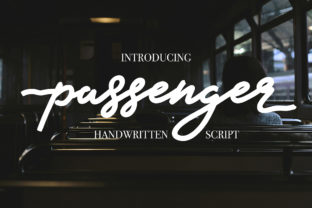
Passenger: A Stylish Handwritten Font
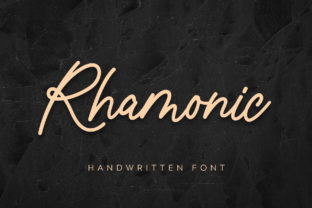
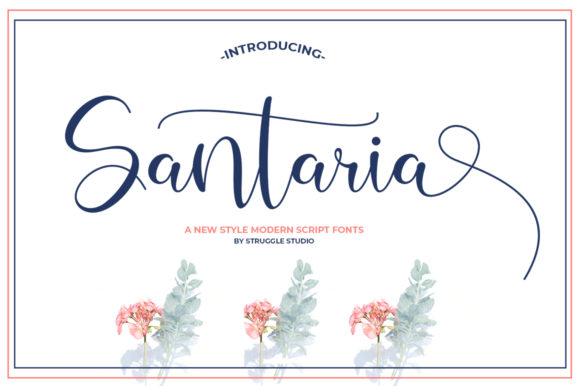
Passenger is a confident, hand-drawn typeface that feels both personal and polished. Its bold, flowing characters carry rhythm and warmth—like elegant handwriting done with intention and care. It’s not overly decorative or hard to read; instead, it strikes a rare balance between expressiveness and clarity. That makes Passenger especially useful when you want your words to stand out without sacrificing legibility.
Why Designers and Creators Choose Passenger
Many people reach for Passenger when they need typography that adds character without demanding attention for the wrong reasons. Unlike some script fonts that feel fussy or fragile, Passenger holds its own at larger sizes—and even scales gracefully in smaller applications like captions or labels. Its strokes have consistent weight and natural variation, giving each letter a sense of motion and life.
What really sets Passenger apart is how approachable it feels. You don’t need design training to use it well. A blogger can drop it into a newsletter headline and instantly elevate the tone. A small business owner might use it on a café menu or product label to reinforce a friendly, artisanal vibe. Educators often choose Passenger for classroom posters or student handouts because it feels inviting—not cold or corporate.
Real-World Uses That Work Well
Passenger shines where personality matters most. Here are a few everyday examples:
- Branding elements: Logos, shop signage, or packaging for boutiques, bakeries, or wellness studios benefit from Passenger’s warm, human touch.
- Digital content: Social media graphics, email headers, or blog banners gain visual interest when Passenger anchors the main message.
- Printed materials: Wedding invitations, greeting cards, or event programs look effortlessly refined with Passenger as the headline font.
- Educational tools: Teachers use it in lesson slides or printable worksheets to soften formal content and support engagement—especially with younger learners or creative subjects.
- Personal projects: Hobbyists enjoy Passenger for journal covers, handmade gift tags, or DIY home décor signs—it pairs beautifully with watercolor textures or minimalist layouts.
One thing users consistently notice is how well Passenger works alongside simpler sans-serif or serif fonts. Try pairing it with a clean, neutral typeface for body text—like Inter, Lato, or Merriweather—and you’ll get contrast that feels intentional, not chaotic. That versatility is why Passenger fits so many different goals: building trust, expressing creativity, reinforcing brand voice, or simply making something feel more thoughtfully made.
What to Keep in Mind Before Using Passenger
While Passenger is flexible, it’s not meant for every job. Because it’s a script font, readability drops significantly in long paragraphs or very small sizes. Avoid using it for full blocks of body text, legal disclaimers, or interface labels where quick scanning matters most.
Also consider context. Passenger leans friendly and expressive—so it may feel out of place in highly technical, financial, or government-related communications unless carefully balanced. If your project calls for authority and restraint above all else, another option might serve better.
Another practical note: Passenger performs best when used with proper spacing. Kerning (the space between individual letters) is thoughtfully designed, but if you’re adjusting tracking manually—say, in Canva or Adobe Express—go easy. Too much tightening can make letters collide; too much loosening breaks the natural flow. When in doubt, stick with the default spacing.
Getting Started Is Simple
You don’t need special software to begin using Passenger. Most modern design tools support custom fonts, and many platforms—including Canva, Figma, and Google Docs (via add-ons)—let you upload and apply it quickly. If you're working on a website, Passenger can be embedded via web font services or self-hosted with standard @font-face rules.
For beginners, start small. Try replacing just one headline in an existing project—maybe a social post or a flyer—and see how it changes the mood. Notice how it guides the eye, invites pause, or softens a stark layout. That kind of hands-on testing builds confidence faster than any tutorial.
Who Benefits Most From Passenger?
Freelancers appreciate Passenger because it helps their portfolios feel distinct without requiring custom illustration. Bloggers and content creators use it to differentiate their visual identity across platforms—especially when consistency matters but budget doesn’t allow for bespoke branding.
Small business owners find Passenger valuable because it conveys care and craftsmanship without looking expensive or exclusive. A handmade soap label set in Passenger reads as thoughtful—not flashy. A local yoga studio’s class schedule gains calm energy without needing photography or complex layout tricks.
Even educators and nonprofit teams report success using Passenger in outreach materials. It adds sincerity to donation appeals or volunteer sign-up sheets, helping messages land with empathy rather than formality.
A Word on Licensing and Usage
Before downloading or installing Passenger, always check the license terms. Some versions are free for personal use only, while others require a commercial license for business projects—even something as simple as a printed business card or Instagram ad. When in doubt, go straight to the original source or trusted font marketplace to confirm permissions.
Also worth noting: Passenger is a single-style font family—not a variable or multi-weight family. That means it doesn’t include italic, bold, or light variants. So if your design system relies heavily on typographic hierarchy through weight shifts, plan accordingly. Use size, color, or placement to create contrast instead.
In short, Passenger isn’t about solving every typographic challenge. It’s about solving the right ones—those where warmth, authenticity, and visual appeal matter most. It invites connection before the first word is read. And in a world full of generic templates and automated designs, that quiet intentionality is exactly what makes it memorable.