Rostter Boot: Vintage Serif Boldness, Timelessly Effective
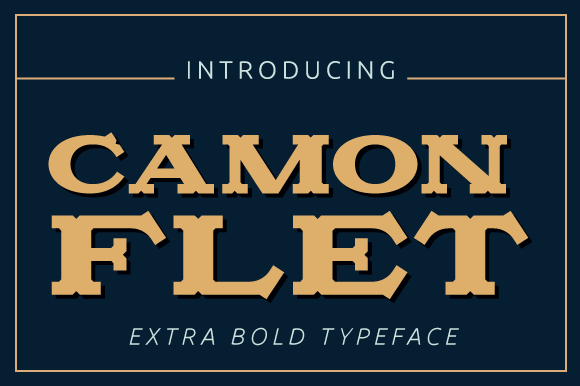
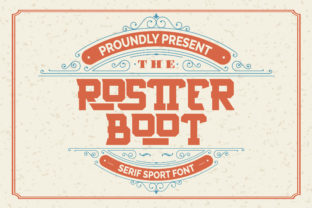
When a headline needs presence—not just readability—but gravitas, warmth, and quiet authority, Rostter Boot often becomes the unspoken choice. It’s not flashy or experimental. Instead, it’s a vintage-inspired serif font with bold letters designed to carry weight without shouting. Think of it as the well-tailored blazer in your typography wardrobe: understated, intentional, and consistently appropriate for moments that demand clarity and character.
Why “Vintage Inspired” Matters More Than You Might Expect
Vintage aesthetics aren’t about nostalgia for its own sake—they’re shorthand for trust, craftsmanship, and human intention. Rostter Boot draws from early 20th-century letterpress traditions: generous x-heights, subtle bracketing on serifs, and robust stroke contrast that holds up beautifully at both large display sizes and mid-range body use (like pull quotes or short captions). That heritage translates directly into legibility and emotional resonance. A small business owner launching a handmade ceramics line doesn’t need futuristic tech fonts—they need something that signals care, tradition, and tactile authenticity. Rostter Boot delivers that signal, quietly and effectively.
Where Bold Serifs Actually Solve Real Design Problems
Bold serifs like Rostter Boot excel where many sans-serifs falter: in print-heavy or high-contrast environments. Consider a restaurant menu printed on textured paper under warm lighting—Rostter Boot’s sturdy forms retain shape and spacing better than lighter or more geometric typefaces. Or imagine a conference brochure with layered photography and muted backgrounds: its strong letterforms anchor headlines without competing visually. Unlike ultra-thin or highly stylized fonts, Rostter Boot resists visual fatigue, making it practical for extended reading in editorial layouts, annual reports, or educational handouts.
Creative Efficiency Without Compromise
Many designers spend hours pairing fonts—testing hierarchy, checking rhythm, adjusting tracking—only to settle on combinations that feel safe but lack distinction. Rostter Boot simplifies that process. Its built-in confidence means it pairs intuitively with clean, neutral sans-serifs (think Lato, Inter, or even classic Helvetica Neue) for contrast that feels natural, not forced. You get immediate typographic hierarchy: Rostter Boot for titles and section headers; a restrained sans-serif for body text. No trial-and-error kerning adjustments needed for most standard sizes. For freelancers juggling tight deadlines—or educators preparing classroom materials on a budget—this predictability saves real time without sacrificing polish.
Who Benefits Most—and Why It’s Not Just About “Aesthetic Preference”
Rostter Boot serves creators whose work relies on perceived credibility and warmth. Bloggers writing long-form cultural commentary find it grounds their voice—serious but approachable. Local publishers designing community newsletters use it to evoke continuity and shared history. Wedding stationers appreciate how its gentle curves and confident weight convey celebration without cliché. Even UX writers sometimes apply it sparingly in dashboard banners or onboarding modals where tone matters: a financial literacy app might use Rostter Boot for milestone headlines (“You’ve Saved $5,000”) to reinforce accomplishment and stability.
That said, it’s not universally optimal. If your brand identity leans heavily into digital minimalism, AI-driven innovation, or youth-oriented energy, Rostter Boot may feel tonally misaligned—no matter how technically sound. Likewise, for dense UI interfaces or multilingual content with extensive diacritics, test thoroughly: while it supports Latin-based languages well, its character set isn’t optimized for complex scripts. Always preview in context—not just as isolated specimens.
Practical Pairing and Implementation Tips
Start simple. Use Rostter Boot at 28–42pt for hero headlines, and scale down to 18–24pt for subheads—its boldness holds up cleanly without becoming overwhelming. Avoid using it below 14pt in print or 16px on screen unless tightly tracked and carefully spaced. For web use, serve it as a variable font if available (some versions support optical sizing), or pair with a system-safe fallback like Georgia or Times New Roman in your CSS stack.
Color matters too. Its strength shines against soft, natural palettes—oat, charcoal, deep olive—rather than high-saturation neon backdrops. When overlaying on photos, try a subtle drop shadow or semi-opaque background bar to ensure contrast meets WCAG AA standards. And remember: one bold font doesn’t require multiple weights. Rostter Boot works best when used decisively—not diluted across light, medium, and bold variants that weren’t designed as a cohesive family.
Real Projects, Real Outcomes
A regional bookstore rebranded using Rostter Boot for all signage and event posters. Customers reported feeling “more invited,” not “more sold to”—a subtle but measurable shift in perceived approachability. An independent historian self-publishing a local oral history project chose it for chapter titles and epigraphs. Readers noted improved retention of thematic framing, likely due to the font’s clear visual separation and rhythmic pacing. In both cases, the decision wasn’t about trendiness—it was about matching typography to purpose: honoring legacy while remaining accessible.
When to Consider Alternatives—Thoughtfully
If you need greater language support, tighter micro-typography control, or seamless integration with modern design systems, explore alternatives like Cheltenham (more refined, less rustic) or Playfair Display (higher contrast, broader weight range). But don’t default to those just because they’re more widely known. Rostter Boot offers something distinct: a grounded, unpretentious boldness rooted in physical printing traditions—not algorithmic optimization. That makes it especially valuable when authenticity matters more than scalability.
Ultimately, typography is communication infrastructure. Rostter Boot doesn’t distract. It doesn’t overpromise. It simply gives words a trustworthy vessel—so your message, your product, your story remains front and center. Whether you're drafting a grant application, designing packaging for small-batch preserves, or building a portfolio site that reflects your craft ethic, choosing Rostter Boot is a quiet act of alignment: between form and function, past and present, intention and impact.