Sweet Cake: A Lovely Handwritten Font
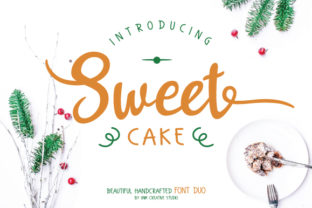
Imagine typing a word—and watching it bloom like frosting on a cupcake. That’s the quiet magic of Sweet Cake: a handwritten font that feels both playful and polished, casual yet intentional. It’s not just “cute.” It’s cool in the way well-worn sketchbook margins are cool—full of personality, rhythm, and subtle imperfection. Designed with natural stroke variation, gentle swashes, and relaxed letterforms, Sweet Cake invites warmth into digital spaces often dominated by rigid geometry.
Who Finds Sweet Cake Meaningful—and Why
Different people reach for fonts for different reasons. A logo isn’t just typography—it’s first impression, tone, and trust. A social media post isn’t just text—it’s mood, attention, and connection. Sweet Cake resonates precisely because it meets real human needs—not just design ones.
For Creators & Small Business Owners
If you run a bakery, craft studio, or wellness brand, your visual voice matters as much as your product. Sweet Cake works beautifully on packaging labels, Instagram story overlays, or hand-lettered email headers—adding approachability without sacrificing professionalism. One local candle maker used it for her seasonal launch banner; customers told her it “felt like opening a handwritten note from a friend.” That emotional resonance? It’s not accidental. It’s built into the curves and spacing.
For Educators & Content Makers
Teachers designing printable worksheets or educators building accessible slide decks often need fonts that feel inviting—not sterile. Sweet Cake’s open letterforms and generous x-height improve legibility at smaller sizes, especially for younger learners or neurodiverse audiences. A Montessori educator shared how she uses it for classroom name tags and weekly reflection prompts: “It doesn’t shout—but it holds space for kindness.”
For Freelancers & Designers
Professionals juggling client work know that flexibility matters. Sweet Cake includes standard ligatures, alternate characters, and multilingual support (including basic Latin-1 accents). That means it adapts smoothly whether you’re crafting a French wedding invitation or an English-language newsletter. No extra plugins. No guesswork. Just clean OpenType features ready when needed.
For Hobbyists & Beginners
You don’t need a design degree to enjoy Sweet Cake. Install it in minutes—whether you're using Canva, Google Slides, or Pages. Type “Thank You” and watch the ‘T’ and ‘Y’ connect with a soft, organic flow. No tutorials required. No steep learning curve. Just immediate delight—plus the confidence to experiment. One beginner illustrator started using it for her Etsy shop banners and said, “It made my work feel finished, even before I added illustrations.”
What People Actually Prioritize—And How Sweet Cake Fits
Not every font serves every goal. Here’s how Sweet Cake lines up with common priorities:
- Ease of use: Installs like any system font. Works across Mac, Windows, and web platforms (with proper licensing). No cloud dependency or subscription.
- Creativity: Its irregular baseline and slight tilt encourage expressive layouts—think overlapping words, staggered lines, or layered text over photos.
- Presentation value: Shines in contexts where warmth builds trust: welcome emails, event signage, handmade product tags, or personal blogs.
- Long-term usefulness: Unlike trend-heavy script fonts, Sweet Cake avoids extreme flourishes. Its balance of charm and clarity helps it age gracefully—even as your brand evolves.
That said, it’s not ideal for every use. If you need ultra-narrow condensed text for mobile app buttons—or monospaced code comments—Sweet Cake won’t be your go-to. And while it’s highly legible at 14–24pt, tiny captions under 10pt may lose some nuance. Knowing those boundaries isn’t a limitation—it’s clarity.
Real Moments Where Sweet Cake Makes a Difference
Consider these everyday scenarios:
- A freelance photographer adds Sweet Cake to her blog’s “About Me” section. Her clients say her site “feels like sitting down for coffee”—a feeling rooted partly in that handwritten texture.
- A nonprofit creates a gratitude campaign for donors. Using Sweet Cake in printed thank-you cards and digital banners unifies the message across formats—and makes appreciation feel personal, not procedural.
- A high school art teacher prints Sweet Cake-based poetry templates. Students respond more readily than with generic sans-serif options—“It looks like something I’d want to write in,” one said.
- A solopreneur launching a mindfulness journal uses Sweet Cake for chapter titles and reflective prompts. The font supports the experience—not competes with it.
Does Sweet Cake Fit Your Next Project?
Ask yourself:
- Are you aiming for warmth, authenticity, or gentle playfulness—not sharpness or authority?
- Is your audience likely to respond to human-centered cues (like imperfect strokes or soft contrast) rather than machine-perfect uniformity?
- Do you value a font that enhances emotion without demanding technical expertise?
- Will this be seen in contexts where readability at medium sizes matters—like social posts, printables, or short-form web copy?
If most answers are “yes,” Sweet Cake is worth exploring—not as decoration, but as intention made visible.
A Note on Licensing & Responsibility
Sweet Cake is typically offered with clear personal and commercial licenses. Always check the source for usage rights—especially if embedding in apps, selling digital products, or using at scale. Reputable vendors provide transparent terms, and many include webfont versions with proper CORS support. Using fonts ethically isn’t just about compliance—it’s part of honoring the craft behind them.
At its heart, Sweet Cake reminds us that type can carry feeling. Not just information. Not just function. But presence. Whether you’re writing a birthday card, branding a new venture, or designing a lesson plan, the right font helps your message land—not just arrive.