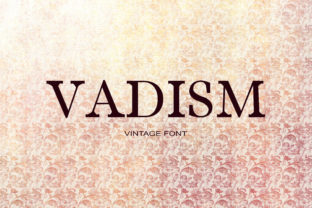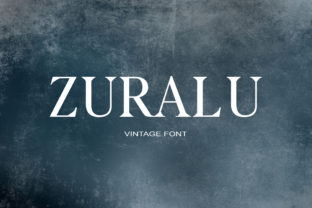
Zuralu: A Stunning Serif Font with a Modern Twist
Imagine opening a design file and instantly feeling the quiet confidence of a typeface that’s both timeless and freshly relevant—Zuralu delivers exactly that. It’s not just another serif font; it’s a carefully crafted balance of classic letterform structure and contemporary rhythm, spacing, and contrast. Designed for clarity at any size and warmth in every weight, Zuralu bridges tradition and today in a way that feels intuitive—not forced.
Where Zuralu Fits Naturally in Real Life
Zuralu shines brightest when personality and professionalism need to coexist. Think of it as the typeface you’d choose for a boutique skincare brand launching its first print catalog—or the university department updating its graduate program brochure. It’s equally at home on a wedding invitation suite and the homepage of a sustainable architecture firm. Its strength lies in how effortlessly it adapts without losing its voice.
For designers building brand identities, Zuralu offers a rare combination: strong typographic presence without visual aggression. Its slightly softened serifs and open counters give it approachability, while its vertical stress and refined proportions keep it grounded in editorial sophistication. That means it works well across touchpoints—whether a 36-point headline on a gallery wall or body text at 14px on a mobile screen.
Designers, Writers, and Small Business Owners All Find Their Place With Zuralu
If you’re a freelance designer juggling client projects from restaurant menus to annual reports, Zuralu simplifies your workflow. Its family includes six weights (Light to Black) with matching italics—each carefully tuned for optical consistency. You won’t need to switch fonts mid-project to handle a bold callout or delicate caption. And because its x-height is generous and letter spacing is thoughtfully adjusted out of the box, line-height and paragraph rhythm tend to fall into place faster than with more finicky serifs.
Writers and content creators—especially those publishing long-form newsletters, digital magazines, or literary blogs—appreciate how Zuralu supports readability without sacrificing character. Unlike some high-contrast serifs that can feel stark or dated online, Zuralu’s subtle modulation keeps text inviting over extended reading. One editor we spoke with noted how her newsletter’s open rates improved after switching from a generic system serif to Zuralu—readers told her the layout “felt more intentional, like someone cared about how the words landed.”
Small business owners often underestimate how much typography influences perceived trust and care. A local bookstore using Zuralu for its event posters and website headers communicates attention to detail—not just in curation, but in presentation. A ceramicist selling handmade mugs online uses Zuralu for product descriptions and packaging labels, reinforcing craftsmanship through form and function. It doesn’t shout—but it holds space with quiet authority.
Industries That Benefit Most From Zuralu’s Quiet Confidence
- Publishing & Editorial: Magazines, literary journals, and indie presses lean into Zuralu for feature articles and book interiors—it handles complex hierarchies with grace and avoids the fatigue sometimes caused by overly rigid or decorative serifs.
- Educational Institutions: Universities and independent schools use Zuralu in admissions materials and faculty profiles where warmth and credibility must coexist—no sterile neutrality, no distracting flourish.
- Creative Agencies: When presenting brand concepts to clients, Zuralu conveys maturity without stuffiness. It signals “we understand legacy—and we’re shaping what comes next.”
- Hospitality & Lifestyle Brands: Cafés, retreat centers, and slow-fashion labels find Zuralu aligns with their values: human-centered, unhurried, and thoughtfully made.
What to Consider Before Choosing Zuralu
Zuralu isn’t built for maximalist energy or tech-forward disruption. If your project calls for sharp, geometric impact—like a fintech dashboard or an esports brand identity—it may feel too serene. Likewise, if you’re working under tight performance budgets for web fonts (e.g., ultra-lightweight sites targeting emerging markets), its full family requires thoughtful subsetting. Loading all six weights plus italics can add overhead—though most users find excellent results using just three weights (Regular, Medium, Bold) paired with one italic.
Another practical note: Zuralu’s modern twist shows up most clearly in larger sizes. At very small point sizes (under 10px), its subtler details—like the tapered terminals and soft serifs—can blur slightly on lower-resolution screens. For UI labels or dense data tables, pairing it with a clean sans-serif for functional elements often yields the best balance.
And while Zuralu supports Latin-based languages comprehensively—including extended diacritics for French, Spanish, Polish, Turkish, and more—it currently doesn’t include Cyrillic or Greek glyphs. Designers serving multilingual audiences across Eastern Europe or the Balkans will want to plan alternate typographic solutions for those scripts.
How Zuralu Compares in Practice—Not Just on Paper
Compared to classics like Garamond or Baskerville, Zuralu feels more conversational and less formal—its lowercase a and g are more relaxed, its ascenders slightly shorter, its overall color on the page a touch lighter. Against contemporary serifs like Literata or IBM Plex Serif, Zuralu leans warmer and less utilitarian—it prioritizes emotional resonance alongside legibility.
One studio shared how they used Zuralu for a nonprofit’s donor report: previous versions in a standard serif felt “like homework,” but Zuralu transformed the same content into something readers lingered over—especially older donors who responded to its familiar-yet-refreshed texture. Another team chose Zuralu for a mental health app’s onboarding flow, citing how its gentle curves and even rhythm helped reduce perceived cognitive load during sensitive interactions.
Getting Started Is Simpler Than You Might Think
Zuralu is available through most major font licensing platforms—including Adobe Fonts, Google Fonts (as a variable font option), and direct desktop/web licenses. Its variable axis allows smooth interpolation between weight and width, making responsive typography adjustments fast and precise. Many users start with the default Regular weight and discover how much expressive range lives within subtle shifts—going from Medium for subheads to Light for captions creates hierarchy without visual clutter.
No special training or plugins are needed. If you’ve used any OpenType font before, Zuralu integrates seamlessly into Figma, Sketch, Illustrator, or web CSS workflows. Its ligatures and stylistic alternates are accessible via standard OpenType features—meaning you get polish without complexity.
At its core, Zuralu isn’t about standing out at all costs. It’s about standing *with* your audience—clear, composed, and quietly memorable. Whether you’re refreshing a decade-old brand or launching something entirely new, it’s the kind of typeface that doesn’t ask to be noticed… but ends up being remembered.