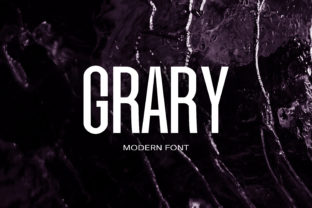
Roll: A Vintage Sans Serif Font
Roll isn’t just another retro font—it’s a quiet nod to the warmth and imperfection of analog film photography, reimagined as a clean, confident sans serif. If you’ve ever paused over a faded Polaroid or admired the soft grain and gentle contrast of an old Kodak print, you’ll recognize something familiar in Roll’s character. It bridges nostalgia and modern usability without leaning into cliché.
What Makes Roll Stand Out
Unlike many “vintage” fonts that rely on heavy distressing or exaggerated quirks, Roll expresses its heritage through subtle design choices. Its letterforms have gently rounded terminals, slightly uneven stroke weights, and open apertures—details inspired by hand-set type used in mid-century photo lab labels and film canister typography. The result feels approachable and human, not sterile or overly stylized.
It’s a sans serif—but not a neutral one. Roll carries personality without demanding attention. That balance makes it unusually versatile: it works just as well on a minimalist blog header as it does on a handmade candle label or a university workshop poster.
Who Benefits Most from Using Roll
Creators who value authenticity—and want their work to feel intentional, not algorithmic—often find Roll refreshing. Bloggers writing about travel, food, or slow living use it to reinforce tone without saying a word. Small business owners launching a ceramics studio, a local coffee roaster, or a vinyl record shop choose Roll because it signals care and craft—not corporate polish.
Educators designing classroom handouts or presentation slides appreciate how readable Roll remains at small sizes, even on projectors or tablets. Freelancers building brand identities for clients in wellness, creative services, or boutique retail often reach for Roll when they need a typeface that feels grounded, warm, and quietly confident.
Real-World Uses You Can Try Today
- Websites & blogs: Use Roll for headings paired with a simple, legible body font (like Inter or Lato). Its friendly presence helps guide readers while keeping pages feeling personal—not templated.
- Social media graphics: Try Roll for quote cards or event announcements. Its vintage softness stands out against bright, fast-moving feeds without looking dated.
- Printed materials: Business cards, product tags, and zines gain tactile appeal with Roll. Print it on uncoated paper, and the subtle contrast in strokes becomes even more expressive.
- Presentation decks: Replace default system fonts in Keynote or PowerPoint with Roll for title slides. It adds distinction without sacrificing clarity—even in large rooms.
- Logo design (with care): Roll shines in wordmarks where simplicity and warmth matter—think a yoga studio, indie bookstore, or artisanal bakery. Avoid stretching or condensing it; let its natural proportions speak for themselves.
Why It Fits So Naturally Into Everyday Projects
Roll doesn’t ask you to overhaul your workflow. You don’t need advanced typography knowledge to use it well. Because it’s a single-weight family (with optional italics), it invites thoughtful restraint—not endless tweaking. That’s helpful whether you’re editing a Canva post before breakfast or fine-tuning a client’s full brand system.
Its spacing is optimized for both screen and print, so text blocks breathe comfortably without manual kerning. And unlike some display fonts, Roll scales gracefully: it holds up at 14px in a caption and commands attention at 96px on a banner.
Things to Keep in Mind Before You Use Roll
Roll is intentionally understated—so if your goal is bold, high-energy impact (like a music festival lineup or a tech startup landing page), it may not be the strongest fit. It thrives where warmth, sincerity, and quiet confidence are priorities.
Also, while Roll supports Latin-based languages well—including accented characters for French, Spanish, and German—it doesn’t include extended Cyrillic or Asian language sets. If multilingual support is essential for your project, double-check the character map before committing.
And remember: pairing matters. Roll pairs beautifully with clean, low-contrast serifs (like Merriweather or PT Serif) or airy, geometric sans serifs (like Manrope or Work Sans). Avoid pairing it with other heavily textured or distressed fonts—that dilutes its quiet charm.
A Thoughtful Choice, Not Just a Trendy One
Using Roll says something about how you want your work to be received—not flashy, not cold, but considered. It’s the kind of font that grows on people. At first glance, it feels familiar. After repeated use, it starts to feel like part of your visual voice.
That’s especially valuable when you’re building something long-term: a personal brand, a small business, a course, or a creative portfolio. Fonts shape perception more than we realize—and Roll offers a rare combination of emotional resonance and functional reliability.
Getting Started Is Simple
You can try Roll right away through most major font platforms—no complex licensing hurdles for personal or small commercial use. Many users begin by replacing just one element: the headline on their homepage, the title slide in their next talk, or the name on their Instagram highlight cover. Small shifts, done with intention, often make the biggest difference.
If you're new to typography, start by asking: *Does this font help me say what I mean—not just look nice?* With Roll, the answer is often yes. It doesn’t shout. It listens. And then it responds—clearly, calmly, and with quiet character.